Discover how architects and contractors are addressing passive fire protection requirements and standards in summer relighting projects
New Lighting Designs and Upgrades for Existing Infrastructures
In the beginning of every construction season, the focus begins with new construction. However, when we reach the halfway mark of the season, the focus shifts towards a second wave of projects – reconstruction projects.
As schools start to close for summer and healthcare facilities prepare for their summer relighting renovations, contractors are faced with the start of the reconstruction phase. During this phase, contractors are tasked with short-term construction projects, such as relighting renovations, minor cosmetic modifications, and more. But the real challenge is the project team meeting the desired completion date. Often, these teams can easily accomplish this demand. But there are some instances in where this goal is unachievable.
When dealing with a relighting renovation, project teams are simply removing and upgrading the current recessed fixtures to more energy efficient fixtures– an easy task compared to others.
But this simple, short-term project can easily turn into a complicated, long-term one. Let’s explore how.
Meeting Building Codes in Pre-Existing Buildings
Many buildings, who undergo relighting renovations were originally constructed between the early 1970s and late 1990s. As a result, it is safe to claim that the building’s lighting fixtures aren’t the only outdated elements in these structures.
When installing a LED lighting fixtures into a pre-existing ceiling, contractors can easily update the light fixtures to the latest models and brands. But the challenges don’t lie in the selection of the lighting fixtures. The challenge is what’s behind them.
Like any construction project, the project’s specifications are up to the latest code adoption in its local jurisdiction – holding true to buildings constructed several decades ago. When a contractor removes a lighting fixture in a school or hospital built in the 70s, they uncover a fire-rated ceiling from the 70s as well.
Unprotected Ceiling Openings in School Buildings
Unlike in modern construction, building code officials didn’t recognize the life safety hazards of unprotected ceiling openings in the 70s and 80s. Therefore, when contractors begin to remove these lighting fixtures – they have now uncovered a compromised fire-resistance rated ceiling.
By uncovering these life safety hazards, the project team is now liable to reinstating the integrity of the fire-resistance rated ceiling/floor assembly. This is where our challenges truly unfold.
Refer to section 714.5.2 of the 2021 IBC for the full code requirements.
Addressing Common Challenges in Relighting Renovations
After revealing a compromised fire-rated ceiling, the project team is now faced with several challenges. However, these challenges are dependent on the type of environment the project team is working in.
Summer Relighting Renovations in K12 Buildings
In the cases where contractors are reinstating a fire-rated ceiling, one of the biggest obstacles is time. To ensure there are no distractions during school hours, these types of renovations are pushed towards the time when students aren’t in attendance – summer break. The problem? When the two-week relighting project turns into an eight-week project.
By unveiling the need to fire-rate a ceiling’s opening, the team is tasked with finding a solution that can provide a speedy result. Unfortunately, many traditional fire-rated solutions are far from being a quick fix. Fire-rated drywall boxes? Contractors would have to remove the entirety of the pre-existing ceiling – resulting in a high expense bill in both materials and labor. On top of the hefty expense bill, these additional steps may cause a delay in the completion of the relighting renovation – interfering with the school’s schedule.
Lighting Upgrades in Healthcare Facilities
Hospitals are open year-around, 24/7 – therefore, any form of renovation is expected to be done in a quick and effortless manner. As contractors start to configure a game plan on how they will be addressing the compromised ceiling assembly – the resolution will need to be quick and efficient. However, traditional fire-rated solutions cause several issues when working in a healthcare setting.
Fire Rated Drywall Boxes in Relighting Projects
One of the first challenges is the environment itself. As we mentioned, hospitals are always bustling and filled with patients in need of assistance. Unfortunately, as I previously stated, traditional fire-rated drywall boxes cause additional steps – meaning longer project timelines. But one of the main concerns of fire-rated drywall boxes is the mess it produces. While installing traditional dry-wall boxes, contractors are exposed to dust and other unhealthy particle matter – normally not an issue with the proper equipment. In contrast, the potential of exposing these particles to the hospital’s current patients poses a big health concern to the patients. In addition to the potential exposure of the boxes’ matter, the team will also need to take down the pre-existing ceiling. This action will result in a lengthier completion date and even bigger mess. Furthermore, jeopardizing the health of the hospitals’ patients for a prolonged period.
Yet, fire-rated drywall boxes aren’t the only solution. Fire-rated lights are another solution that can potentially fire rate unprotected ceiling openings. Fire-rated lights can easily be fitted into existing ceiling openings – meeting time and health safety demands. However, using these fire-rated lights can pose several challenges.
Fire Rated Lights for Relighting Renovations
One of the first challenges fire-rated lights tend to bring forth is the lack of flexibility in selecting your light fixture of choice. Normally, this challenge is viewed as a minor one. However, in the case where professionals are performing treatment and healthcare – lighting is very key. Therefore, the restricted selection in lighting choices can pose a problem for healthcare professionals.
Now let’s say you were able to find a fire-rated light that 1) fits the current ceiling’s unprotected openings, and 2) meets the lighting standards of healthcare professionals. The question you need to answer is “Has this fire-rated light have been properly tested and approved by a third-party testing laboratory?”
One of the biggest challenges in passive fire protection is the lack of proper fire testing and certification. To comply with code requirements for restoring a fire-rated ceiling, a fire-rated solution must be properly tested as a complete system. Just because one component of a solution is fire-rated, it does not make the entire solution fire-rated. Unfortunately, some fire-rated lights on the market claim they are “fire-rated” – when they are not. Therefore, it is always important to check with the manufacturer to ensure proper testing was conducted.
Using Retrofit, Fire-Rated Solutions in Reconstruction Projects
At this point, contractors are weighing on what disadvantages are less impactful – but at the end of the day, all these constraints have their impact. Therefore, contractors need a fire-rated solution that can be 1) retrofitted into a pre-existing ceiling, 2) easily installed, and 3) provides a proper fire rating.
At Tenmat, we offer a range of advanced fire-rated solutions, designed to fulfill all the previously mentioned requirements. From troffer luminaires to LED pancake downlights, we offer a flexible, lightweight fire-rated solution to fulfill code requirements.
For LED Wafer-Styled Downlights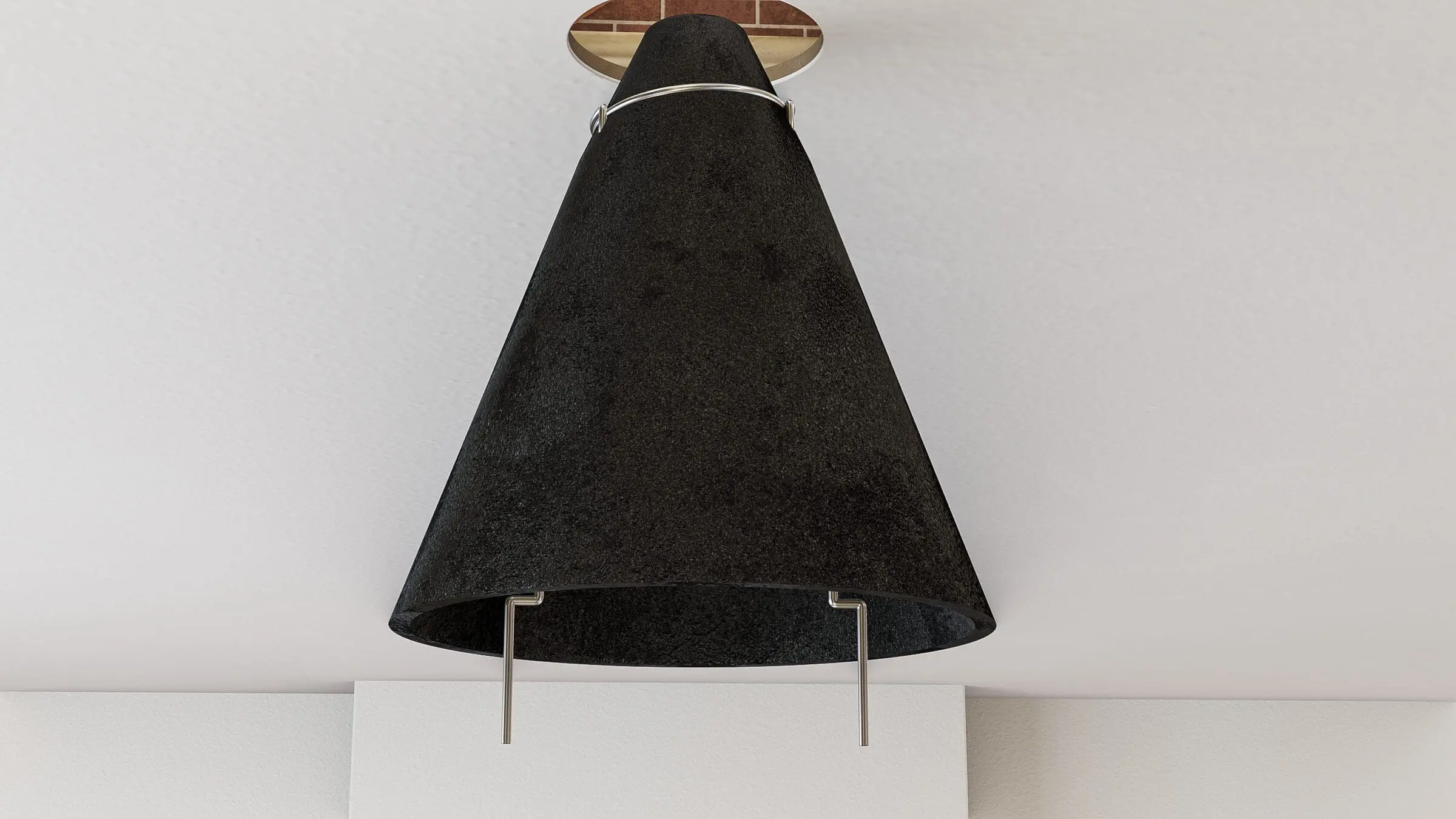
The FF109-200 and FF109-250 1 Hour Fire Rated LED Downlight Covers are cone-shaped intumescent enclosures which has been specifically designed to help maintain the integrity of openings of up to 6” diameter in fire rated ceilings when penetrated by modern low profile LED downlight fixtures.
The unique design gives the installer more freedom in fixture selection as the covers are suited to a wide range of LED downlights.
The flexible and lightweight nature of the fire rated light cover makes installation quick and easy, reducing the stress load on the ceiling. Manufactured with highly expansive and insulating properties, these covers ensure that both flame spread and heat transmission are stopped for 60 minutes.
Learn More about the FF109-200 1 Hour Fire-Rated Downlight Cover and FF109-250 1 Hour Fire-Rated Downlight Cover
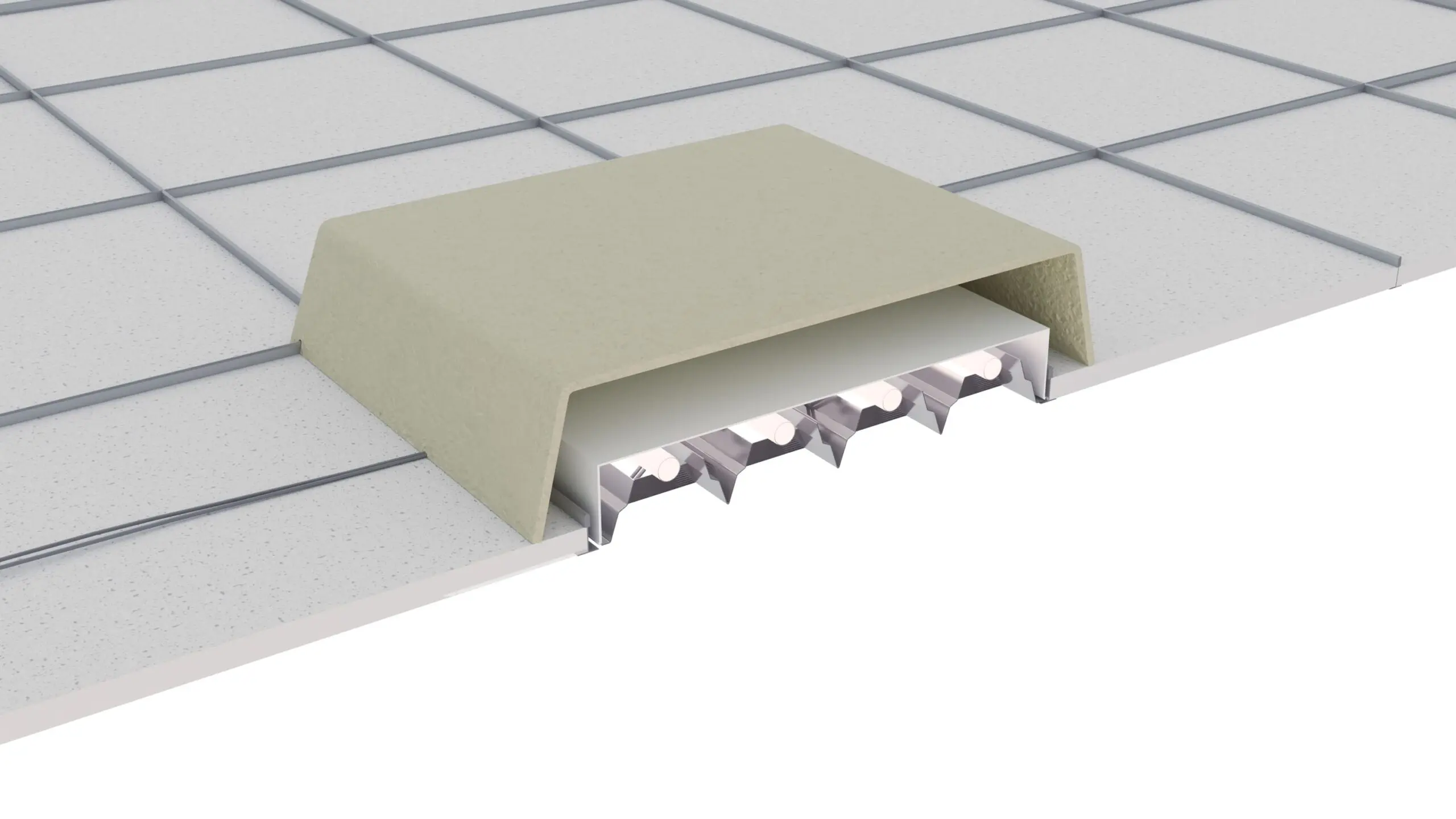 For Troffer Luminaires
Tenmat’s Fire-Rated Troffer Covers are the ONLY fully fire tested solutions for 2′ by 2′ and 2’ by 4’ fluorescent fixtures on the market. With its pre-formed flexible enclosure, Tenmat’s Troffer Covers are designed to help maintain the integrity of fire rated ceilings when penetrated by troffer luminaires.
With its flexible and lightweight nature, our troffer covers makes installations quick and easy – a plus when you are working against the clock.
Discover how the FF130-2’x2’ and FF130-2’x4’ make an impact on K12 schools and healthcare facilities.
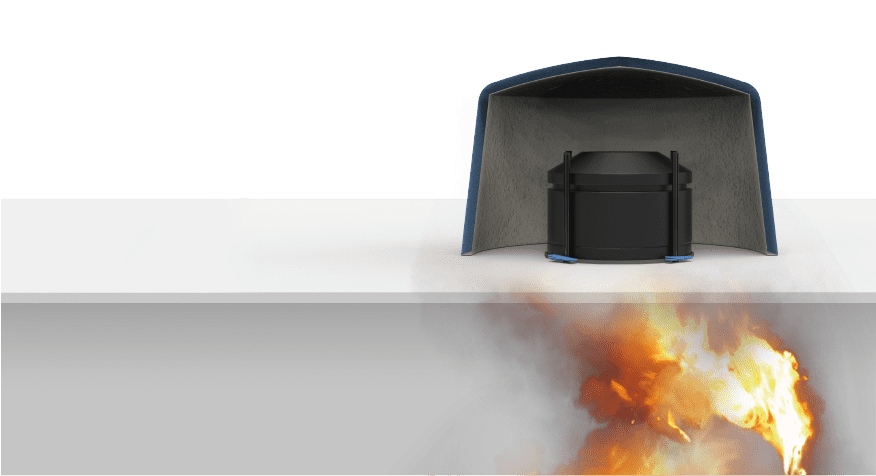
For In-Ceiling Loudspeakers
Our FF109-FRSC, a 1 Hour Fire Rated Speaker Cover, has been developed to meet the highest fire protection standards and expectations for audio and building professionals, fitting in-ceiling loudspeakers up to 10”. With the composition of the propitiatory intumescent material, it allows for an enhancement of the acoustic performance of the structure for crisper and clearer sound.
With the product’s easy installation and its resulting labor-savings, the FF109-FRSC can be installed with ease – meeting your project’s intended completion date.
View how the FF109-FRSC performs in Audio Applications.
Applying Passive Fire Protection in Your Next Relighting Project
Unlike new construction projects, relighting renovations must be cautious about external factors. Those factors may include the impeding date of the upcoming school year or the health and safety of sick patients. Therefore, the priorities of new construction and reconstruction projects vary. However, the demand to properly reinstate a fire-rated ceiling is very much the same across the board.
By specifying a retrofittable and fire-rated solution, such as Tenmat’s Fire-Rated Covers, contractors can eliminate some of biggest constraints often found in relighting renovations. From providing a shorten lead time and minimal mess, Tenmat Fire-Rated Covers aren’t just meeting the standards of the project team – but the building’s current and future occupants.
If you have additional questions regarding Tenmat’s Fire-Rated Covers, contact our team here.